

discover Michael Eberle’s musical activities
Be invited to contact Michael for requests and bookings via info@michaeleberle.com
or use the contact form on the homepage.

wúntar
harmony of miracles
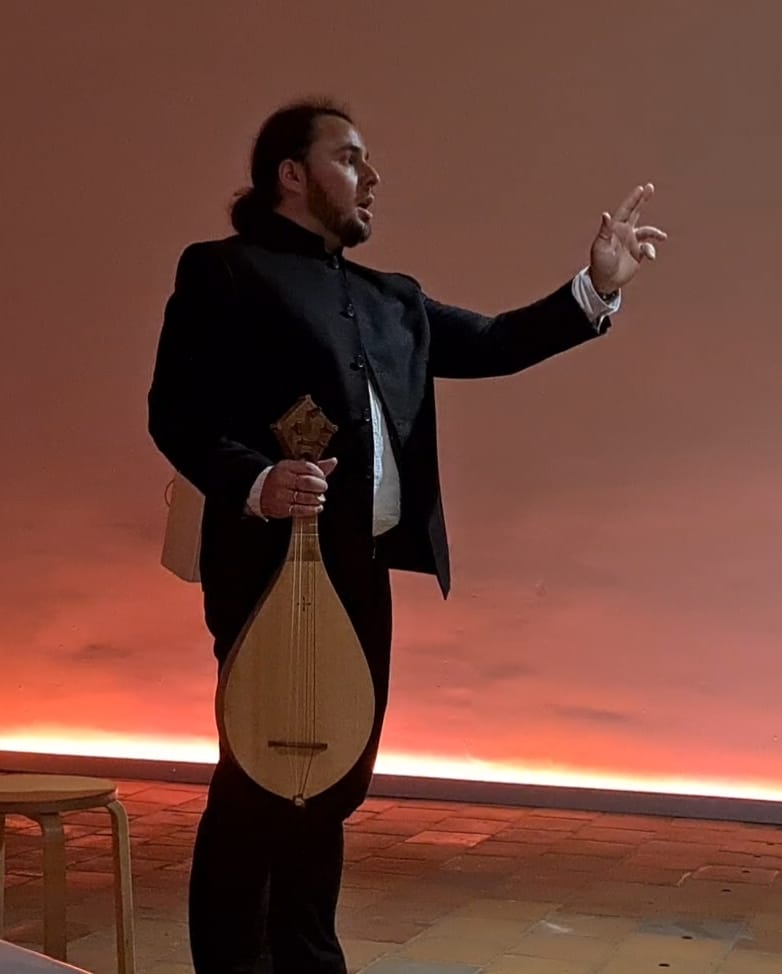
Michael’s first solo programme wúntar offers the audience a window into the earliest stage of music and literature in medieval Europe.
In the mid-9th century, benedictine monk Otfrid of Weißenburg (today’s Wissembourg) composed his Liber Evangeliorum by merging the accounts of the four biblical gospels into one epic story of Jesus Christ. The book is the earliest large scale text in Old High German language. With Otfrid’s comments and explications, it provides us access to the very central belief and worldview of the Carolingian society.
The programme embraces around 500 verses from Otfrid’s book recited sung and spoken in what is plausible as an early medieval style of sacred storytelling. The selection of chapters focuses on a crucial phenomenon of utmost importance for people throughout the Middle Ages: the stories of miracles. From the Christmas story, the transformation from water to wine or the awakening of Lazarus to the dogmatic miracle of resurrection: All those stories were as well religious dogma as mere entertainment; and in the cultural and political context of the early Middle Ages they had become fundamental identity markers.
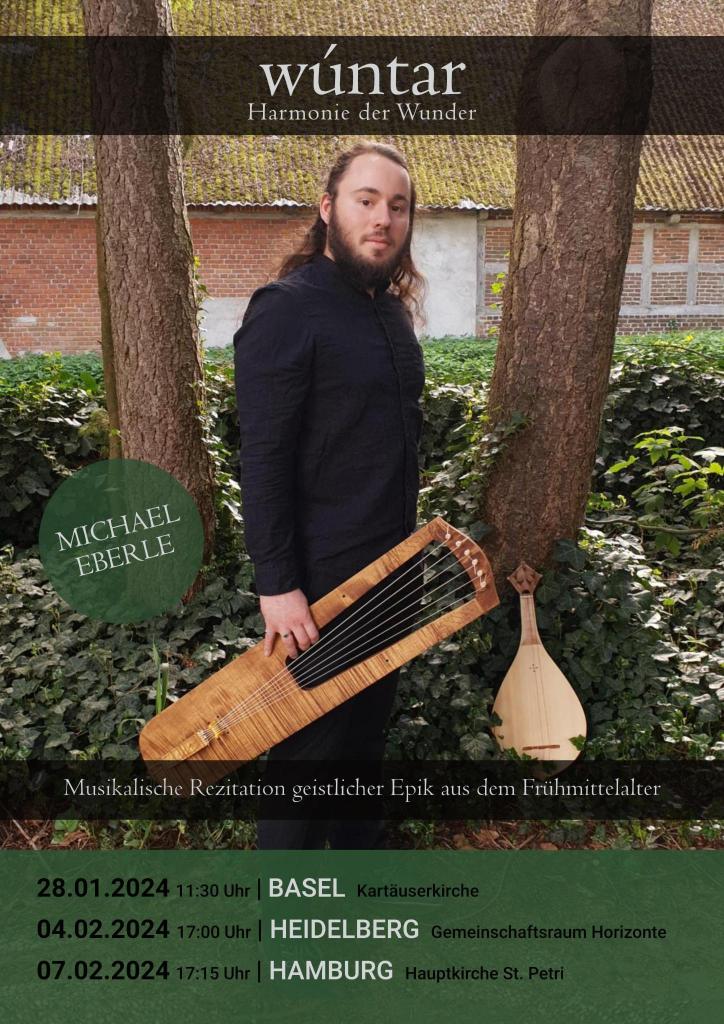
The melodic material used in the performance is taken both from one of the book’s manuscript sources as well as from external material from the same period. While reciting, Michael accompanies himself with instruments from the Carolongian period such as the lute-like cythara and the lyre.

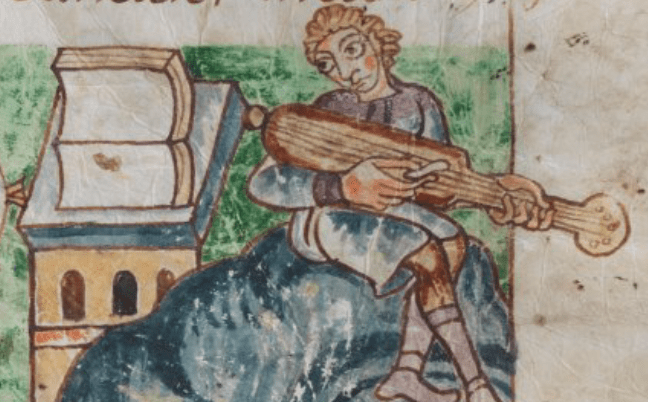
Cytharaplayer in Stuttgart Psalter
The full concert version of the programme takes about 70 minutes, telling the story from the New Testament in three major parts: How Christ came to earth, miracles and teachings, and finally death and resurrection. Alternatively, the text’s structure allows shorter versions depending on the concert occasion.
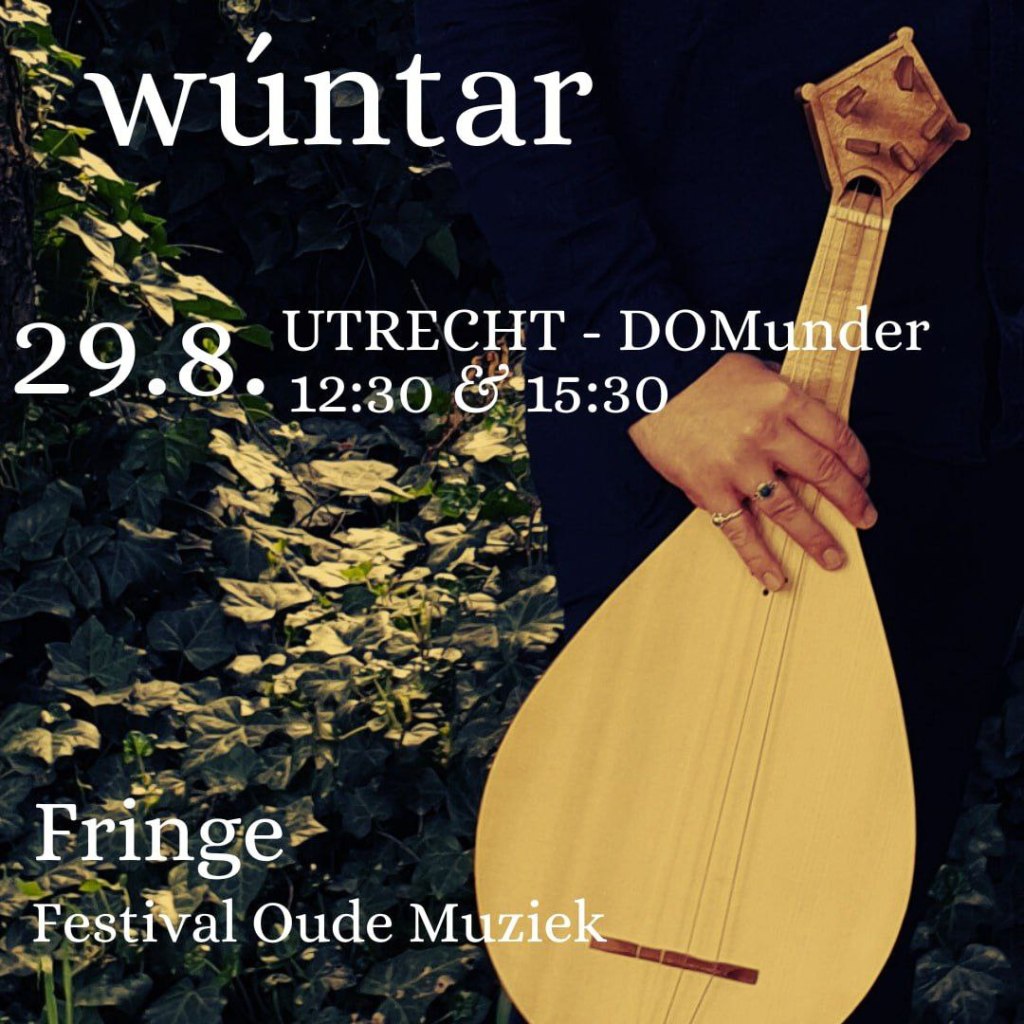
The premiere of wúntar took place on the 28th of January 2024 at Kartäuserkirche Basel. Since then performances followed in Germany and in the Netherlands as part of the Fabulous Fringe series of Festival Oude Muziek Utrecht.
The chapters
Part I:How Christ came to Earth
1. Invocatio
2. Exiit edictum
3. In principio erat verbum
Part II: Miracles and Teaching
4. Nuptiae factae sunt
5. Prope erat pascha Iudeorum
6. De octo beatitudinibus
7. Quomodo amulabat super
mare et de signis
8. Erat quidam languens Lazarus
Part III: Death and Resurrrection
9. Duxerunt eum ut crucifigerent
10. Sol obsuratus
et tradidit spiritum Iesum
11. De resurrectione Domini
12. De qualitate caelestis regni
et inaequalitate terreni

ensemble activity
Learn more about Michael’s activity in directoring and co-directoring early music ensembles
ensemble analógion
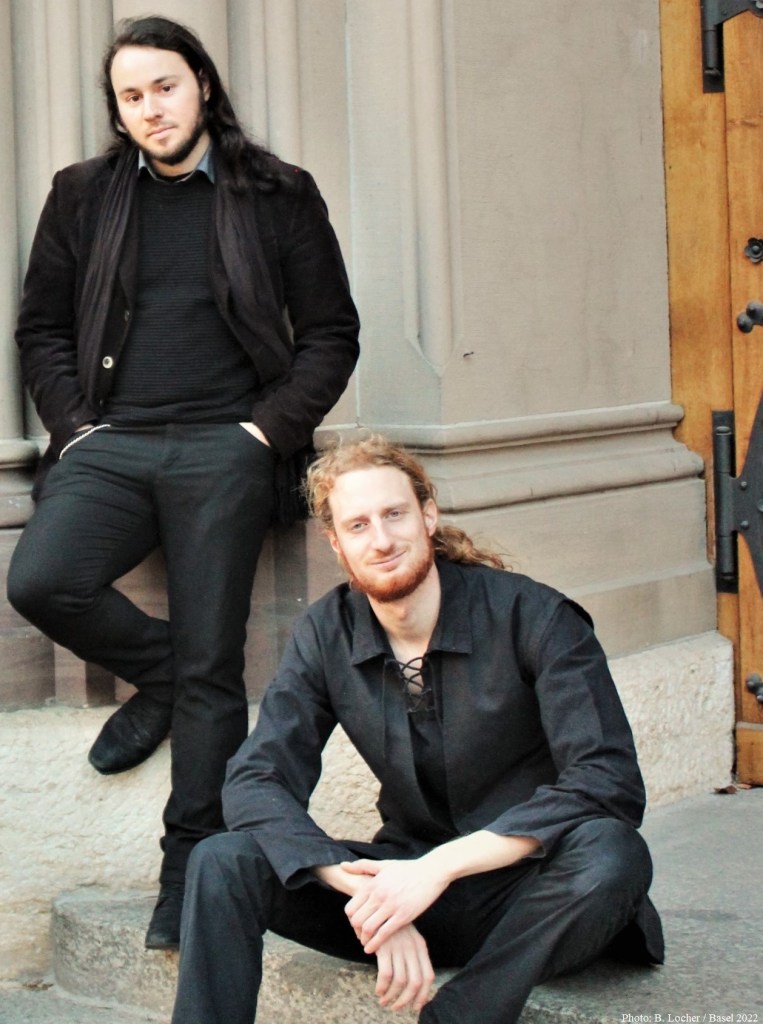
Beginning of 2022 Michael Eberle founded ensemble analógion together with German tenor Klemens Mölkner.
Both had met at Schola Cantorum Basiliensis and discovered their shared interest in sacred music and passion for text delivery. In the following, other musicians joined the ensemble on different occasions. ensemble analógion so far performed in Germany Austria and Switzerland, including renowned festivals such as via mediaeval.

The primary concept of ensemble analógion is the innovative work of Gregorian chant, high medieval historiae, that is narrative chant from Saint’s offices, and earliest stages of polyphony as preserved in sources such as the musica enchiriadis and the Winchester tropary. The artistic goal is the combination of conveying text and exploring the rich soundspheres of medieval aesthetics.
The ensemble’s first live programme Que será de min? however is dedicated to courtly love songs from Portugal around 1300, written by Dom Dinis I.
Que será de min?
Love songs from the Portuguese court
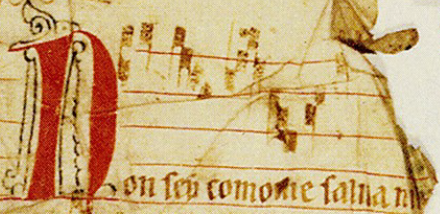
13th century courtly love songs by King Dinis I. of Portugal next to instrumental arrangements
gradus dignitatis
Stories from St. Emmeram
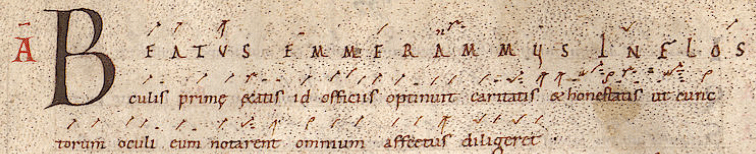
11th/12th century chant from the Regensburg Saint’s Office for St. Emmeram in monophonic and early polyphonic arrangements
extollemus cantica
missa tropata barcinonensis
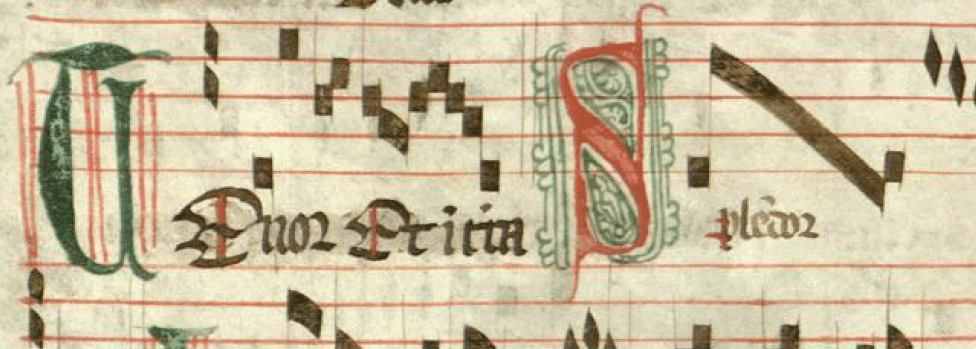
14th century troped “Mass of Barcelona” in the polyphonic style of Ars Nova completed with the proper chants from the Missa Sollemnitate Sanctissimae Trinitatis
more ensemble projects…
ensemble dícitur
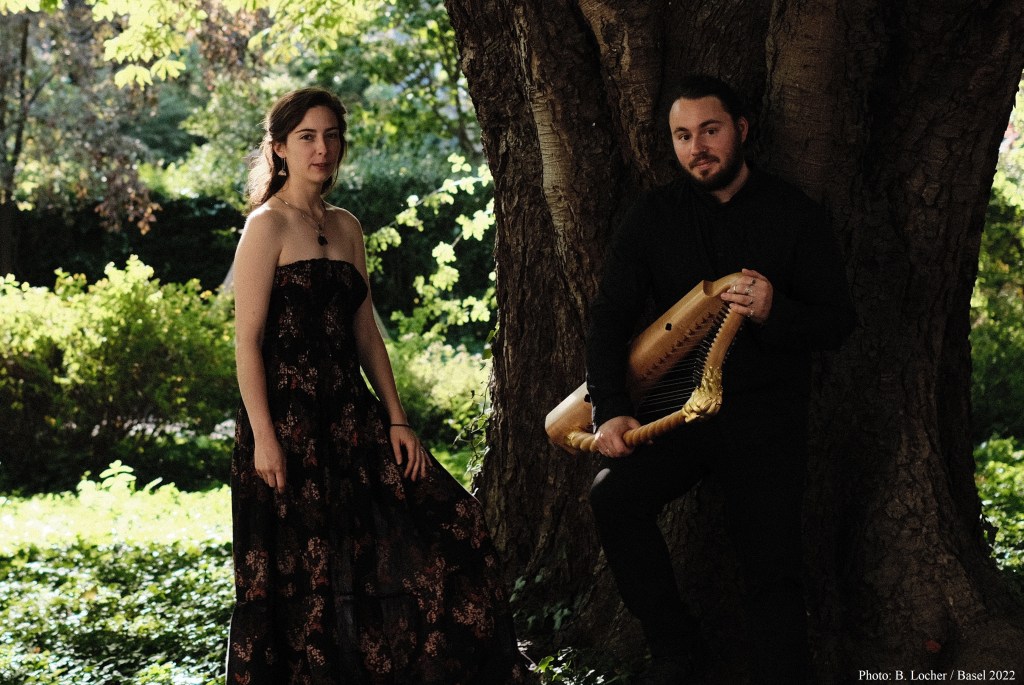
The ensemble project dícitur was founded in 2022 by Michael and French soprano Aurore Gontard. The duo specialises in narrative songs and epics from the Middle Ages and occasionally includes other musicians to expand the sound. dícitur’s first programme epistolae is dedicated to 12th century songs, letters and drama fragments around the remarkable story of Heloise & Abelard.
duo denaria

Duo denaria is an instrumental duo founded by Michael and American-Swiss traverso-player Holly Scarborough. The duo performs instrumental repertoires throughout the Middle Ages, from new reconstructions and arrangements of early and high medieval melodies up to popular late medieval pieces.
Michael further performs in several stable or temporary early and byzantine music ensembles throughout Europe, either contributing with his own ideals or adapting to preexisting approaches.
 michaeleberle.com